
A broken promise or a withheld deposit can leave you wondering if it is worth fighting over. How much can you sue for in small claims court? The answer depends on your state and ranges from $2,500 to $25,000. This guide shows the limits and fees and what to expect if you win or lose.
Quick Answer: How much you can sue for in small claims court depends on your state. Limits range from $2,500 in Kentucky to $25,000 in Delaware and Tennessee. California allows $12,500 for individuals and $6,250 for businesses. Texas allows $20,000. Claim only what you can prove with evidence.
How Much Can You Sue for in Small Claims Court by State?
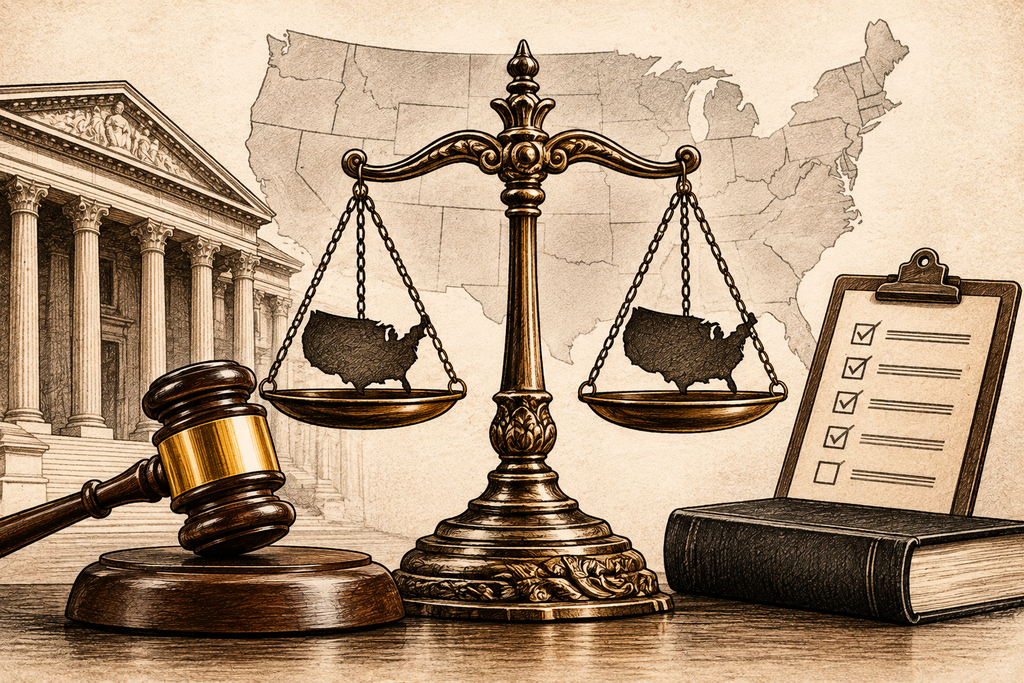
Each state sets its own cap. The general limit runs from $2,500 in Kentucky to $25,000 in Delaware and Tennessee. Suing inside the limit usually means giving up any amount above it. Here are selected limits for 2026:
| State | Maximum Claim | Notes |
|---|---|---|
| Delaware | $25,000 | Highest limit |
| Tennessee | $25,000 | Highest limit |
| Texas | $20,000 | Justice court |
| Georgia | $15,000 | Magistrate court |
| Minnesota | $15,000 | Conciliation court |
| California | $12,500 | $6,250 for businesses |
| Pennsylvania | $12,000 | General limit |
| Illinois | $10,000 | Circuit court |
| New York | $10,000 | New York City only and lower elsewhere |
| Florida | $8,000 | County court |
| Kentucky | $2,500 | Lowest limit |
Is It Worth Suing in Small Claims Court?
Often yes because the costs are low. California filing fees are $30 for claims up to $1,500 and $50 up to $5,000 and $75 up to $12,500. Many states charge between $30 and $100. A winner can often recover these fees.
Time is the other cost. Most California hearings happen 30 to 40 days after filing. The harder part is collecting. A judgment gives you the right to collect and not a payment. If the other side has no income or assets you may wait a long time.
Before paying a filing fee, make sure your claim is still within your state’s statute of limitations using our Court Filing Deadline Calculator.
Who Pays Lawyer Fees in Small Claims Court?
Under the American Rule each party pays its own lawyer fees. Small claims courts make this simple by keeping lawyers out of many hearings. In California you cannot have a lawyer represent you except in an appeal but you can ask a lawyer for advice.
The winner can usually recover court costs such as filing and service fees. Attorney fees are recoverable only when a contract or law allows them.
If your claim exceeds small claims limits and moves to regular civil court, estimate how much a lawyer will take with our Contingency Fee Calculator.
Can You Sue for Stress and Anxiety in Small Claims Court?
Small claims courts mainly award money for provable financial losses such as unpaid bills and property damage and security deposits. Some courts will hear an emotional distress claim but you must prove it and awards are hard to predict.
A claim built on stress alone usually fits regular civil court better. That is especially true when a physical injury or a large amount is involved.
Note that emotional distress damages without physical injury are generally taxable—check potential IRS rules with our Settlement Tax Calculator.
What Happens if I Lose in Small Claims Court?
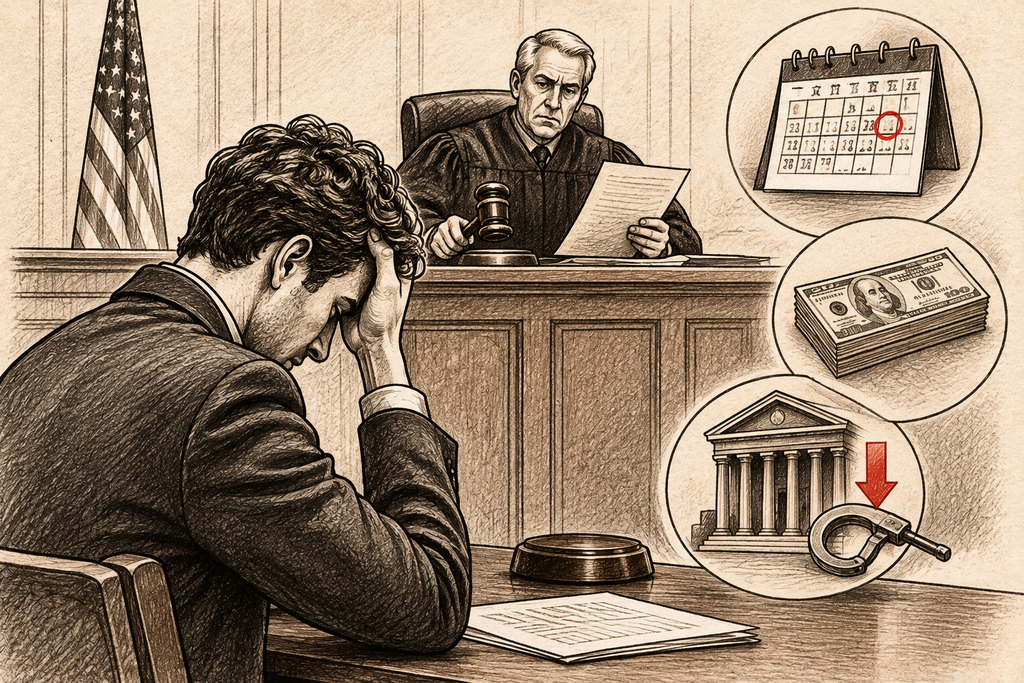
The judge enters a judgment and the clerk mails a notice. In California only the defendant can appeal and the appeal must be filed within 30 days. Other states differ such as Tennessee with 10 days and Texas with 21 days. A California notice of appeal costs $75.
A losing defendant may face collection tools such as wage garnishment or a bank levy. Rules vary by state so check yours.
Count your appeal deadline from the date the clerk mails the notice of entry of judgment with our Court Filing Deadline Calculator.
Conclusion
How much can you sue for in small claims court? It depends on your state with limits from $2,500 to $25,000. Weigh the low filing fees against your time and the chance of collecting. Then gather your evidence and confirm your deadline before you file.
FAQs
How Much Can You Sue for in Small Claims Court Near San Francisco or San Jose, CA?
San Francisco and San Jose follow the same California limits. Individuals can sue for up to $12,500 and businesses up to $6,250. Filing fees run $30 to $75. You usually file in the county where the defendant lives or the problem happened. California law requires courts to offer free small claims advisors.
What Kind of Damages Can You Sue for in Small Claims Court?
Money damages for provable losses such as unpaid bills and repair costs and lost deposits and property damage. You can also seek filing and service costs if you win. Emotional distress may be allowed in some courts but you must prove it. Courts cannot award more than the limit and anything above it is usually waived.
How to Submit Evidence in Small Claims Court?
Bring originals plus two copies of every document. One copy goes to the judge and one goes to the other side. Useful evidence includes photos and bills and receipts and contracts and witnesses. Some courts require copies before the hearing so check your court’s rules. Label exhibits clearly and keep them in order.
Is It Worth Going to Small Claims Court for $300?
Often yes if the dispute is clear and the other side can pay. A California filing fee is $30 and the winner can usually recover it. The real cost is your time at the hearing and any service costs. If the defendant has no income or assets even a win may not pay. Consider a demand letter first.
Is It Worth Going to Small Claims Court for $2,000 or $5,000?
Usually yes. A $2,000 claim costs $50 to file in California and a $5,000 claim costs $50 as well. Compare that cost with your time and the chance of collecting. Strong paper evidence and a defendant with income or assets make these amounts worth pursuing. Many courts also let you recover filing and service fees if you win.
Does Winning in Small Claims Court Mean I Will Get Paid?
No. This is a common misconception. The court decides who wins but it does not collect the money for you. You must pursue payment through tools such as wage garnishment or a bank levy. A defendant with no income or assets may never pay. Check whether the other side can pay before you file.
This article is for general informational purposes only and is not legal advice. Small claims limits and fees change and vary by state and county so confirm current amounts with your local court.